Introduction
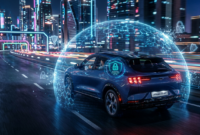
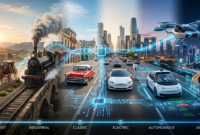
Electric vehicle (EV) technology is transforming the automotive industry and redefining the future of transportation. As concerns about climate change, fuel costs, and environmental sustainability continue to grow, electric cars have emerged as a promising solution. With advancements in battery technology, charging infrastructure, and smart systems, EVs are becoming more efficient, accessible, and widely adopted around the world.
Today, major automotive companies are investing heavily in electric vehicle development, making it one of the fastest-growing sectors in modern technology.
What is Electric Vehicle Technology?
Electric vehicle technology refers to the systems and components that power vehicles using electricity instead of traditional internal combustion engines. EVs rely on electric motors and rechargeable batteries to operate, eliminating the need for gasoline or diesel fuel.
This technology not only reduces emissions but also improves energy efficiency and driving performance.
Key Components of Electric Vehicles
1. Battery Pack
The battery is the core of an electric vehicle. It stores electrical energy and supplies power to the motor. Most modern EVs use lithium-ion batteries due to their high energy density and long lifespan.
2. Electric Motor
The electric motor converts electrical energy into mechanical energy, allowing the vehicle to move. EV motors are known for their instant torque and smooth acceleration.
3. Power Electronics Controller
This component manages the flow of electricity from the battery to the motor, controlling speed and performance.
4. Charging System
EVs can be charged using home chargers, public charging stations, or fast-charging systems. Charging technology continues to improve, reducing charging time significantly.
5. Regenerative Braking System
This system captures energy during braking and converts it back into electricity, which is stored in the battery to improve efficiency.
Advantages of Electric Vehicles
- Environmentally Friendly: Zero tailpipe emissions
- Lower Operating Costs: Reduced fuel and maintenance expenses
- Quiet Operation: Minimal noise compared to traditional vehicles
- High Efficiency: Better energy conversion rates
- Smooth Performance: Instant torque and acceleration
Challenges of Electric Vehicle Technology
- Limited charging infrastructure in some areas
- Higher initial purchase cost
- Battery degradation over time
- Charging time compared to refueling
However, ongoing innovation is gradually addressing these challenges.
Innovations in EV Technology
1. Fast Charging
New technologies allow EVs to charge up to 80% in less than an hour.
2. Solid-State Batteries
Next-generation batteries promise higher capacity, faster charging, and improved safety.
3. Autonomous Driving Integration
Many EVs are equipped with advanced driver-assistance systems and self-driving capabilities.
4. Smart Connectivity
EVs can connect to mobile apps for monitoring battery status, location, and performance.
Impact on the Environment
Electric vehicles play a significant role in reducing greenhouse gas emissions and air pollution. By replacing fossil fuel-powered vehicles, EVs contribute to cleaner air and a more sustainable future.
Future of Electric Vehicles
The future of EV technology looks promising, with developments such as:
- Improved battery efficiency
- Expansion of charging networks
- Affordable EV models
- Integration with renewable energy sources
Governments worldwide are also supporting EV adoption through incentives and regulations.
Conclusion
Electric vehicle technology is revolutionizing the way we think about transportation. With its environmental benefits, efficiency, and continuous innovation, EVs are set to become the dominant form of transportation in the future.
As technology advances and infrastructure improves, electric vehicles will play a key role in creating a cleaner, smarter, and more sustainable world.