Smart City Transportation Solutions: The Future of Digital Traffic Control and Vehicle Regulation
As cities continue to expand, managing transportation has become a major priority for governments and urban planners. Modern smart city transportation solutions are being developed to create safer, cleaner, and more efficient mobility systems.
One example is the odd-even vehicle restriction system, which uses traffic regulations to control vehicle density in high-demand areas.
Why Cities Need Advanced Traffic Solutions
Urban areas face several transportation problems, including:
- Increasing numbers of private vehicles
- Long commuting times
- Road congestion
- Rising pollution levels
- Limited parking availability
Digital transportation management helps cities address these challenges.
How Vehicle Regulation Improves Traffic Flow
Vehicle regulation systems such as odd-even policies help distribute traffic more evenly across urban areas.
Potential benefits include:
- Reduced road overcrowding
- More predictable travel times
- Better public transportation efficiency
- Lower environmental impact
Digital Technology Behind Modern Traffic Systems
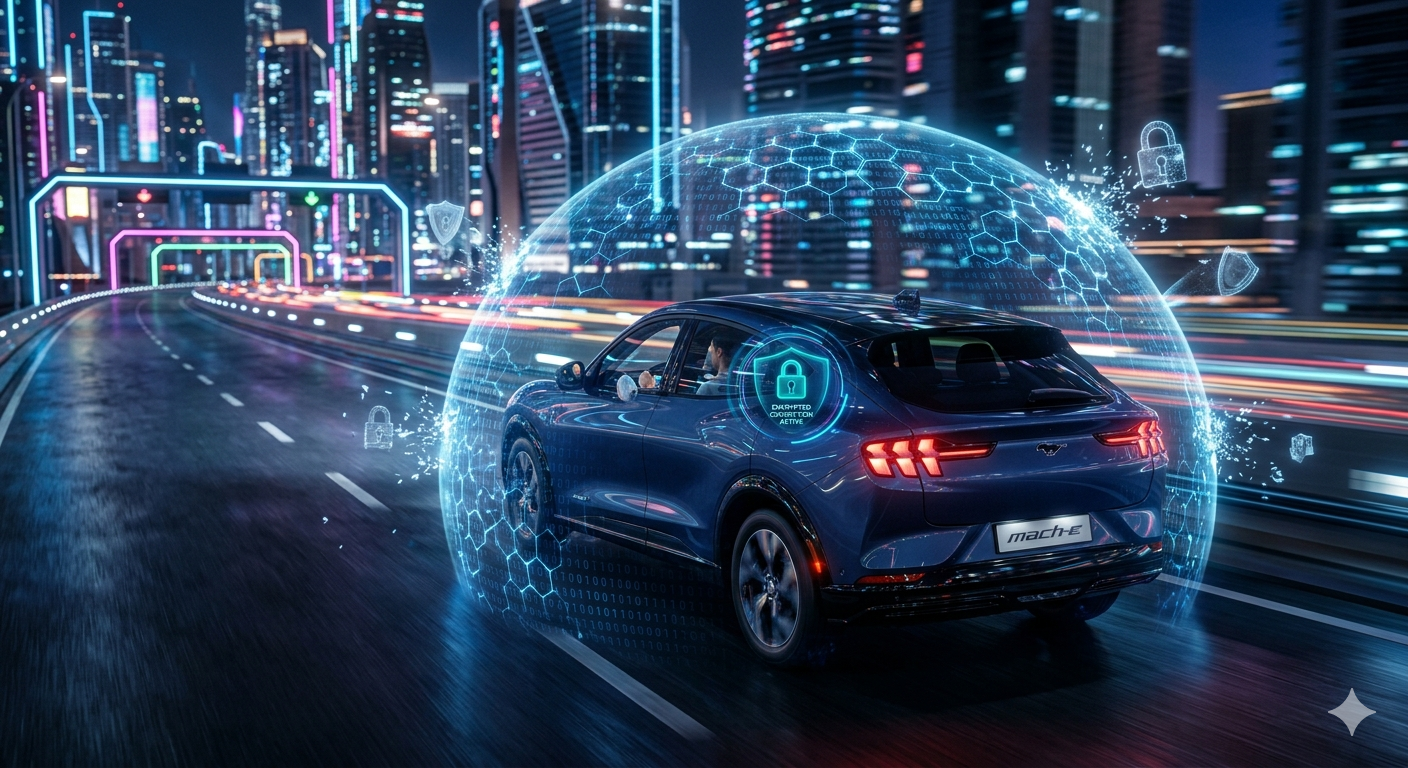
Today’s transportation networks rely on advanced technology, including:
Artificial Intelligence Traffic Analysis
AI systems can analyze:
- Traffic patterns
- Vehicle movement
- Accident risks
- Peak congestion periods
This information helps authorities optimize road management.
Automated Traffic Monitoring
Smart cameras and sensors allow cities to:
- Monitor traffic conditions
- Identify violations
- Collect transportation data
- Improve enforcement
Mobile Transportation Platforms
Digital applications help drivers access:
- Traffic updates
- Alternative routes
- Public transportation information
- Payment services
Benefits for Businesses and Communities
Efficient transportation systems create economic advantages by:
- Reducing delivery delays
- Improving employee mobility
- Increasing productivity
- Supporting local businesses
Better traffic management contributes to stronger urban economies.
Combining Odd-Even Systems With Sustainable Mobility
Traffic restrictions work best when combined with sustainable transportation options such as:
- Public transportation
- Electric vehicles
- Bicycle infrastructure
- Ride-sharing services
A complete mobility strategy provides more long-term benefits.
The Future of Traffic Management
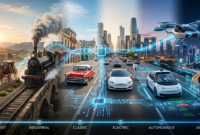
Future transportation systems are expected to include:
- Autonomous vehicles
- AI-based traffic prediction
- Smart highways
- Connected vehicle technology
- Real-time transportation networks
These innovations will help cities become more efficient and environmentally friendly.
Conclusion
Smart city transportation solutions are transforming how urban areas manage traffic. The odd-even vehicle restriction system is one example of how regulation and technology can work together to create cleaner, safer, and more efficient cities.