
Introduction The global automotive industry is on an irreversible path toward full electrification, but the transition is not an overnight event. While battery electric vehicles (BEVs) like the Mustang Mach-E and F-150 Lightning grab headlines, a critical and highly profitable component of Ford Motor Company’s strategy lies in its hybrid electric vehicle (HEV) powertrain technology. By integrating hybrid systems into its most popular and utility-focused models—the F-150 and the Maverick—Ford is creating a pragmatic “bridge” for consumers and businesses that are not yet ready to commit to a full BEV, thereby capturing a massive segment of the market during this crucial energy transition.
The Hybrid Advantage: Utility Without Compromise Ford’s approach to hybrids is unique because it doesn’t view hybridization as a compromise. Instead, it leverages the technology to enhance the core utility of its vehicles.
-
The F-150 PowerBoost™ Hybrid: The F-150 PowerBoost™ is not just a fuel-efficient truck; it is the most powerful F-150 in the lineup (excluding the Raptor). It combines Ford’s proven 3.5L EcoBoost® V6 engine with a 35-kilowatt electric motor, delivering massive torque and horsepower while achieving an EPA-estimated range of over 700 miles on a single tank of gas. This capability is crucial for truck buyers who need to tow heavy loads over long distances, a scenario where current BEV technology still faces limitations.
-
The Maverick Hybrid: The Maverick, on the other hand, targets a different audience. As a standard hybrid compact truck, it offers exceptional fuel economy (EPA-estimated 42 MPG in the city) at an affordable price point. The Maverick is attracting a new generation of buyers to the Ford brand—those who want the utility of a truck bed but prioritize fuel efficiency and maneuverability. It demonstrates that hybrid technology can democratize electrification, making it accessible to a wider range of consumers.
Enabling the Transition: Infrastructure and Financial Considerations The high-CPC value of the hybrid conversation stems from the peripheral decisions that consumers and businesses must make. Hybrid owners, while not needing a full home charging station, often invest in related home energy solutions.
-
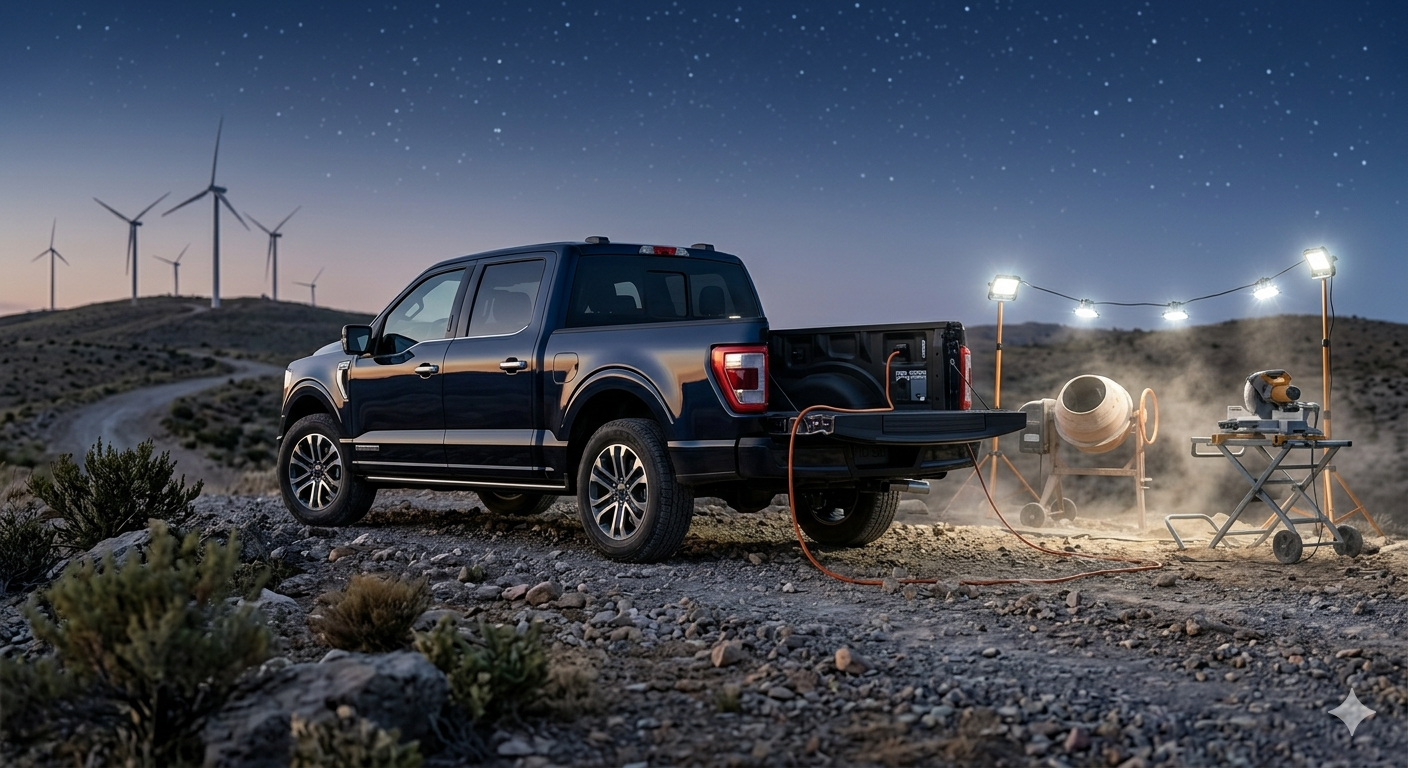
Home Energy Management: The F-150 PowerBoost™ features an integrated Pro Power Onboard™ generator, providing up to 7.2kW of exportable power. This capability drives leads for home automation companies and electricians who can install transfer switches, allowing the truck to power a home during an outage, bridging the gap between automotive utility and residential energy resilience.
-
Specialized Hybrid Insurance: Insuring a hybrid vehicle requires different risk calculations due to the unique combination of an internal combustion engine and an electric motor/battery system. This creates demand for specialized “hybrid auto insurance” products from forward-thinking providers.
-
Fleet Transition Consulting: For businesses, the choice between ICE, Hybrid, and BEV is complex. Ford Pro uses telematics data to help fleets assess which hybrid models offer the best return on investment (ROI) based on their specific duty cycles, driving inquiries for specialized “fleet electrification consulting” services.
Conclusion Ford’s strategic focus on hybrid technology is not a distraction from its long-term EV goals; it is a critical enabler of them. By offering compelling hybrid powertrains in its most popular models, Ford is meeting consumers and businesses where they are today, providing tangible benefits in fuel efficiency and utility while preparing them for an electrified future. This pragmatic approach captures a massive market segment and positions Ford as a leader in the broader energy transition, driving significant economic value throughout the automotive ecosystem.