
Introduction The environmental impact of the automotive industry is often measured solely by the emissions from the vehicles themselves. However, true sustainability requires a holistic approach that covers the entire lifecycle of a vehicle, from raw material extraction to manufacturing, use, and end-of-life recycling. Ford Motor Company has recognized this imperative, committing to achieve carbon neutrality globally by 2050 across its vehicles, supply chain, and manufacturing facilities. This ambitious goal involves a fundamental restructuring of its operations and a significant investment in green technology, making Ford a key player in the transition to a sustainable and circular economy.
The Road to Zero Emissions: Manufacturing and Energy Procurement A major part of Ford’s sustainability strategy focuses on reducing the environmental footprint of its manufacturing processes.
-
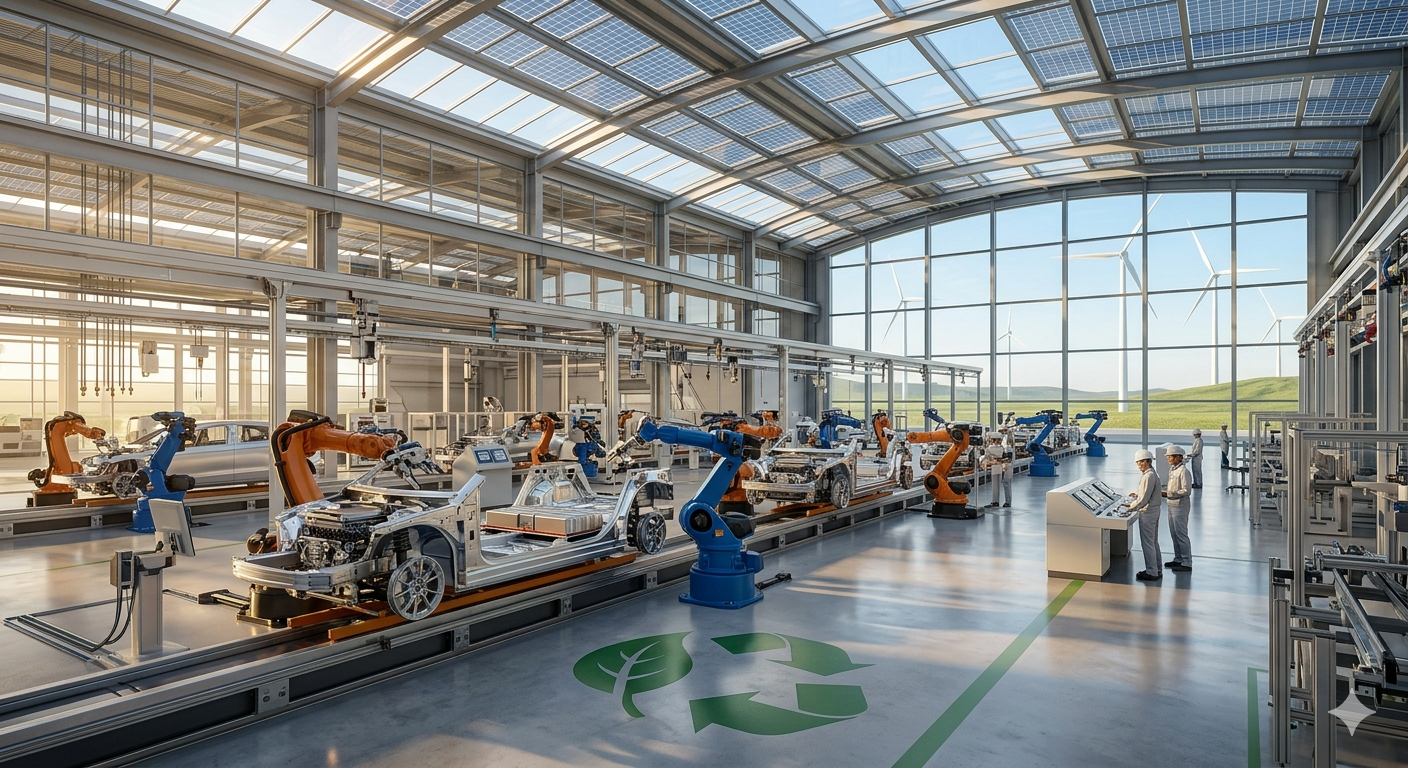
Renewable Energy Integration: Ford is transitioning its manufacturing facilities to utilize 100% renewable energy. The massive BlueOval City complex in Tennessee, for instance, is designed to be a model of sustainable manufacturing, with on-site solar and geothermal power. This shift reduces reliance on fossil fuels and helps secure a stable and sustainable energy supply.
-
Waste Reduction and Circularity: Ford is actively working to minimize waste in its production processes. This involves everything from using recycled materials in vehicle components to implementing zero-waste-to-landfill programs in its plants. For example, parts for the F-150 are made from recycled aluminum, and Ford is exploring the use of alternative materials like bamboo and coffee-ground-based plastics, further contributing to a circular economy.
Supply Chain Transparency and Responsible Sourcing Ensuring sustainability across the entire supply chain is a significant challenge, especially for a complex product like an automobile. Ford is committed to responsible sourcing, focusing on:
-
Supplier Engagement: Ford works closely with its suppliers to improve environmental and social practices. This includes requiring suppliers to meet stringent environmental standards and to promote fair labor practices throughout their own supply chains.
-
Responsible Sourcing of Critical Minerals: The production of EV batteries relies on critical minerals like lithium and cobalt, often sourced from conflict zones or with high environmental impact. Ford is actively working to ensure these minerals are sourced responsibly and ethically, emphasizing transparency and fair labor practices in its battery supply chain.
The Economic Implications of Sustainability From a High CPC perspective, Ford’s sustainability commitments drive significant consumer and corporate interest in related services:
-
Sustainable Investing and ESG Funds: Investors are increasingly considering Environmental, Social, and Governance (ESG) factors when making investment decisions. Ford’s strong commitment to sustainability makes it an attractive option for ESG funds, driving leads for investment platforms and financial advisors.
-
Corporate Sustainability Consulting: Companies are looking for ways to improve their own environmental and social practices. Ford’s success in implementing sustainable manufacturing and supply chain practices creates demand for consulting services from firms specializing in corporate sustainability.
-
Green Technology and Innovation Partnerships: Ford’s need for innovative green technologies creates opportunities for partnerships and collaborations with tech companies and research institutions, driving interest in technology and innovation-related services.
Conclusion Ford’s commitment to sustainability is not merely a corporate responsibility initiative; it is a fundamental business strategy that positions the company for success in a rapidly changing world. By investing in renewable energy, reducing waste, and promoting responsible sourcing, Ford is not only minimizing its environmental impact but also creating new opportunities for growth and innovation. The economic implications of this transition are far-reaching, creating new markets for sustainable products and services and driving significant consumer and corporate interest in the broader sustainability ecosystem.